
Intravitreal Injections: What to Expect Before, During, and After
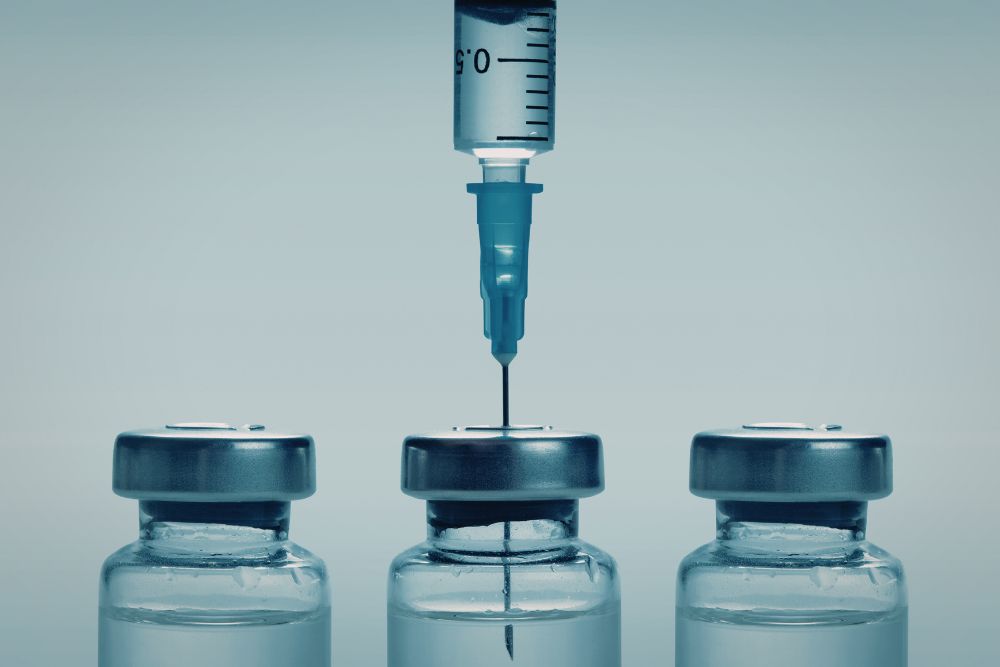
Intravitreal injections are one of the most commonly performed procedures in retinal care. By delivering medication directly into the eye, specialists can treat serious retinal conditions with precision, speed, and minimal discomfort. If you've been scheduled for your first injection, here's a clear, straightforward look at what the process typically involves.
Why Intravitreal Injections Are Used
Intravitreal injections are delivered directly into the vitreous, the gel-like substance that fills the interior of the eye, which allows the medication to absorb into the retinal tissue quickly and efficiently. Because the medication is delivered exactly where it's needed, specialists can use smaller doses and avoid the side effects of oral or IV medications, which can have an impact on the entire body beyond the eye.
The majority of these injections contain anti-VEGF medications, a class of drugs designed to curb the growth of abnormal blood vessels and reduce fluid leakage within the eye. This approach is widely used to manage conditions such as:
- Wet age-related macular degeneration (AMD)
- Diabetic macular edema
- Diabetic retinopathy
- Retinal vein occlusions
For many patients, these treatments are essential in preserving vision and slowing disease progression.
What to Expect
Intravitreal injections are performed in-office and are designed to be quick and efficient, with the whole appointment taking about 10-15 minutes to complete.
Before the procedure begins, your eye will be numbed using anesthetic drops to minimize sensation. The surface of the eye is then cleaned with an antiseptic solution to reduce the risk of infection. Your specialist will gently hold your eyelid open or use a small instrument to ensure clear, unobstructed access throughout the procedure.
The injection itself is very brief and typically takes only a few seconds. Using an extremely fine needle, your specialist will deliver the medication into your sclera, the eye’s white part, while you look in the opposite direction. Because the area is numbed beforehand, most patients describe the sensation as mild pressure rather than discomfort.
What Happens After the Injection
After the injection, you’ll be able to return home the same day. However, it's not unusual to notice some mild effects following your injection.
Common, temporary side effects include:
- A scratchy or irritated feeling
- Redness on the white of the eye
- New or increased floaters
- Mild sensitivity or pressure
These effects are typically short-lived and improve within a day or two. Lubricating eye drops are often recommended to help with comfort during this time.
When to Seek Medical Attention
While serious complications are uncommon, it’s important to recognize symptoms that may need prompt evaluation.
Contact your retina specialist if you experience:
- Increasing or severe eye pain
- A sharp or sudden drop in vision
- A significant increase in floaters or flashes of light
- Significant light sensitivity
- Persistent redness, swelling, or discharge
These symptoms may indicate an infection, retinal tears, or detachment, which are rare but time-sensitive, so don't hesitate to call your care team if something feels off.
How Often Will You Need Injections?
For many patients, intravitreal injections are not a one-time event, but rather a part of an ongoing treatment plan to preserve and protect vision. The time between follow-up injections is recommended according to the nature of your condition, with most patients returning on a monthly basis. Your follow-up schedule may evolve as your treatment progresses.
Many patients find that consistent treatment successfully halts further decline, while some even see meaningful improvement in their vision over the course of therapy. Either way, staying on schedule with follow-up appointments is key to getting the best possible outcome.
Expert Retinal Care at The Retina Eye Center
While the idea of an injection in the eye can feel intimidating, intravitreal injections are a routine and highly effective treatment used every day in retinal care. The procedure is quick, carefully performed, and plays a critical role in protecting long-term vision for many patients.
If you've been referred for intravitreal injections or are noticing changes in your vision that concern you, The Retina Eye Center offers the specialized expertise to guide you through every step. With more than 30 years of serving patients across Georgia and South Carolina, our team of fellowship-trained, board-certified retina specialists focuses on delivering effective care, while also ensuring the process is as smooth and stress-free as possible. Contact us today to take the next step towards protecting your vision.