
Can Sleep Apnea Affect Your Retina?
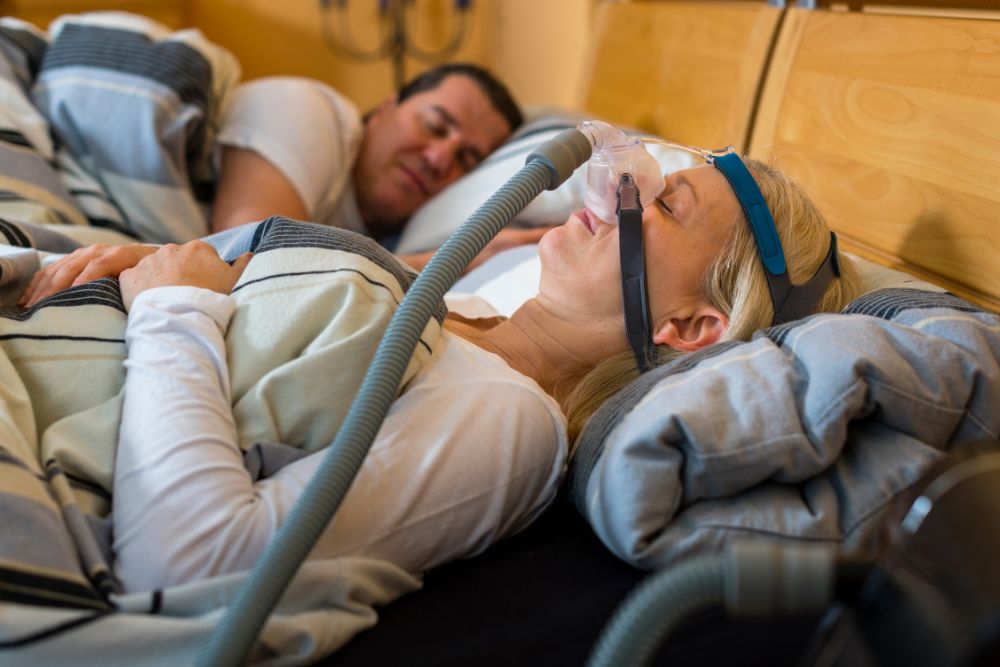
Most people don't associate sleep disorders with vision problems, but the two may be more closely connected than they seem. Obstructive sleep apnea, a common condition that affects approximately 30 million Americans, causes repeated pauses in breathing during sleep that can have effects far beyond snoring, poor sleep, and daytime fatigue.
Each time breathing stops during sleep, oxygen levels drop, placing the body under stress. Over time, these repeated disruptions can impact oxygen-dependent tissues throughout the body, including the retina. As researchers continue to explore this connection, evidence increasingly suggests that sleep apnea may increase the risk of several eye conditions that can threaten vision.
How Sleep Apnea Affects the Retina
In obstructive sleep apnea (OSA), the muscles in the upper airway relax during sleep and partially or fully block the flow of air. This can happen dozens or even hundreds of times throughout the night, repeatedly interrupting breathing. Each episode, typically marked by gasping or choking, triggers a rapid stress response. Within seconds, oxygen levels drop, prompting the brain to release adrenaline and norepinephrine, which spike blood pressure and pull the body out of deep sleep. Because the retina depends entirely on consistent blood flow and oxygen, it is especially vulnerable to this kind of repeated disruption.
When oxygen levels fall during an apneic episode, the small blood vessels supplying the retina dilate in an attempt to maintain adequate blood flow. But when the brain simultaneously triggers a surge in blood pressure, even more blood is forced through already-dilated vessels. Night after night, this cycle places significant strain on the delicate blood vessels that support the retina and optic nerve.
Retinal Conditions Linked to Sleep Apnea
Studies show sleep apnea may be linked to several vascular-related eye conditions, including:
Diabetic Retinopathy
Diabetic retinopathy occurs when diabetes damages the small blood vessels of the retina. Research suggests that repeated cycles of reduced oxygen and high blood pressure caused by sleep apnea can exacerbate this damage and trigger the growth of abnormal blood vessels, a characteristic of advanced diabetic retinopathy.
Retinal Vein Occlusion
Retinal vein occlusion occurs when one of the veins carrying blood away from the retina becomes blocked, leading to bleeding, swelling, and potential vision loss. The oxygen deprivation and vascular stress caused by sleep apnea can promote conditions in which a clot in the retinal veins is more likely to form.
Shared Risk Factors
Sleep apnea and retinal disease share several common risk factors, including:
- Diabetes
- High blood pressure
- Obesity
- Cardiovascular disease
- Advancing age
Recognizing the connection across these conditions is an important part of comprehensive care. For example, a patient who’s managing diabetes and hypertension, but has untreated sleep apnea, may still be facing vascular stressors that can lead to retinal disease.
Protecting Your Vision Through Coordinated Care
Because sleep apnea and retinal disease often intersect, coordinated care between sleep specialists, primary care providers, and retina specialists can be much more effective than treating either in isolation. Each condition can silently worsen the other, and the vascular damage that results in retinal disease may not be obvious until significant changes in vision occur. Regular retinal evaluations, especially for patients with diabetes, hypertension, or other overlapping risk factors, can help identify issues before vision is affected.
At The Retina Eye Center, our team specializes in diagnosing and treating a wide range of retinal conditions. We work closely with patients and their healthcare providers to identify potential risk factors, monitor retinal health, and develop personalized treatment plans aimed at protecting long-term vision. If you have concerns about sleep apnea and your eye health, contact us today to schedule a comprehensive retinal evaluation.