
The Retina’s Role in Night Vision: What Changes Could Signal a Problem?
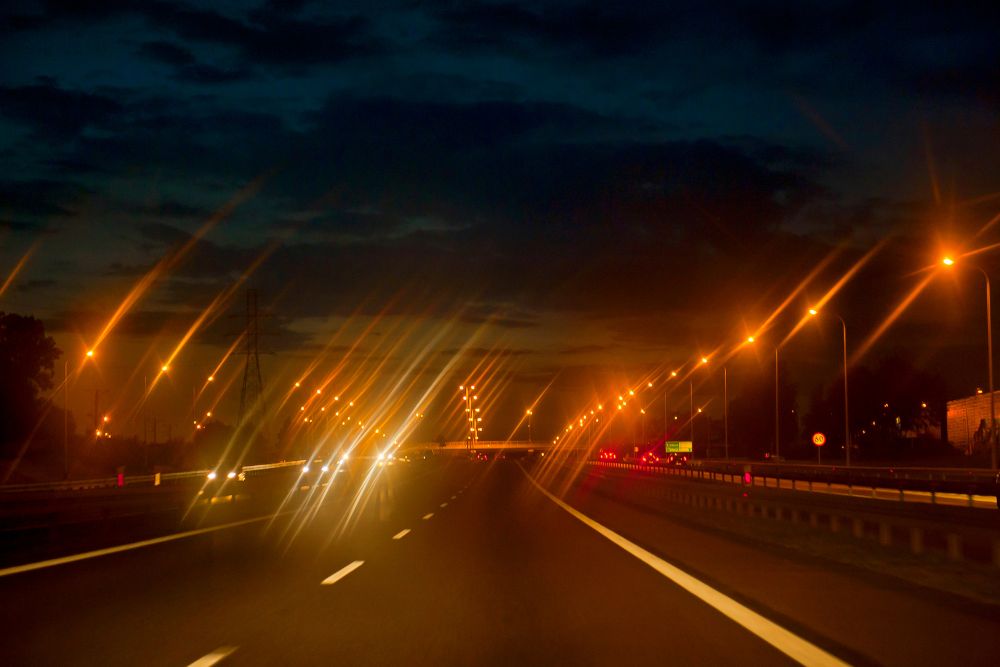
If you’ve been squinting more in dimly lit rooms or experiencing eye strain while driving at night, you may be facing problems with your night vision that go beyond the natural effects of aging. Night vision is closely related to retinal function, so changes may indicate a more serious eye issue. Understanding the critical role the retina plays in low-light vision can help you identify potential problems and seek treatment before they lead to significant vision loss.
How the Retina Helps Us See in the Dark
The retina is a thin layer of light-sensitive tissue located at the back of the eye. It plays a crucial role in our vision by converting incoming light into electrical signals for the brain to interpret. The retina contains two types of photoreceptor cells: cones and rods. Cones enable us to see fine details and colors in bright light, while rods are much more sensitive to low light, allowing us to see in dim environments.
When you enter a dark room, drive at night, or engage in other activities in low light, your vision relies heavily on rods. Damage to these photoreceptors can impair your overall ability to see in low-light conditions.
Retinal Conditions That Affect Night Vision
Some retinal conditions directly target rods and cones, while others damage the retina itself, which in turn impacts how well these cells function. These conditions include:
- Age-related macular degeneration (AMD): AMD is a common cause of vision loss in older adults, primarily affecting central vision. However, certain types can also impact low-light vision, especially if surrounding retinal tissue is involved.
- Diabetic retinopathy: High blood sugar damages the retina's blood vessels, affecting rods and causing issues with low-light sight.
- Retinitis pigmentosa: This genetic eye disease breaks down rod cells over time, with night blindness being the first and most common symptom.
- Vitamin A deficiency: Vitamin A is crucial for the production of rhodopsin in rod photoreceptors, and its deficiency can lead to night blindness.
Early Signs of Night Vision Issues
Many retinal conditions have no noticeable symptoms at first, making them easy to overlook. However, it’s crucial to identify these conditions early to achieve the best vision outcomes. Here are some subtle symptoms to watch for:
- Slower adjustment when moving from bright to dark rooms
- Difficulty reading street signs or seeing steps in low lighting
- Increased glare from headlights at night
- Feeling less confident when driving in the dark
If you notice any of these signs, it's important to consult a retinal specialist as soon as possible.
Protecting Your Night Vision
To protect your night vision, it's essential to prioritize your retinal health. The first step is to see a retina specialist who can consistently monitor your vision and identify early signs of retinal disease. At The Retina Eye Center, we're proud to be the preferred choice in the Central Savannah River Area, serving patients in Aiken, South Carolina, and Augusta, Georgia. Contact us today for more information or to schedule an appointment.